Categories
Art and Paintings Deformity Correction and Limb lengthening General Orthopedics Pediatric Orthopedics

Understanding Congenital Vertical Talus in Newborns


What is it ?

Hearing that your newborn has a foot deformity can be overwhelming for any parent. If your child has been diagnosed with Congenital Vertical Talus—often referred to as “rocker bottom foot”—it is completely normal to feel anxious about what it means for their future.

The most important thing to know is that this condition is highly treatable. With early and proper intervention, children with vertical talus go on to walk, run, and play just like their peers.

Art for Awareness: The ArztForACause Initiative
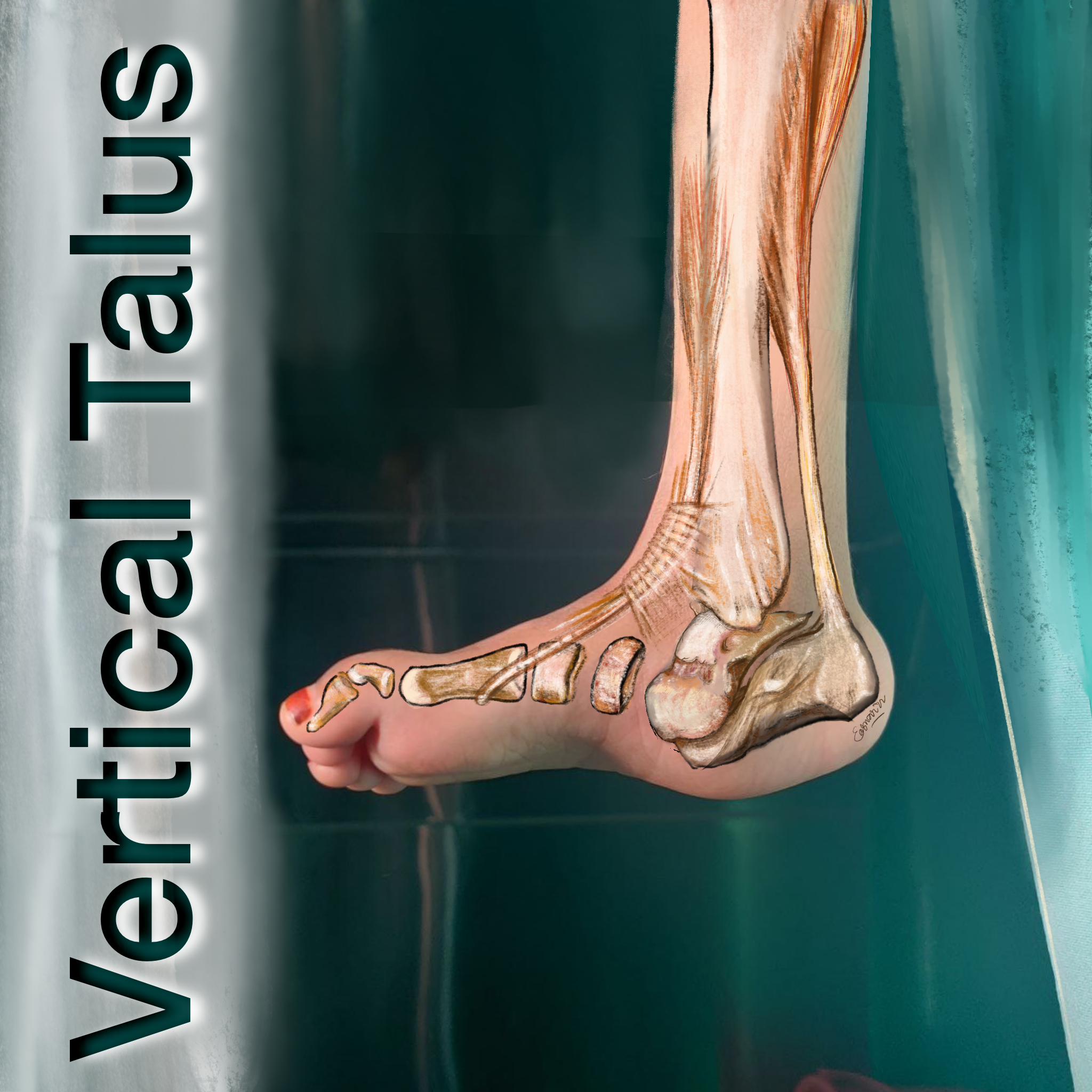
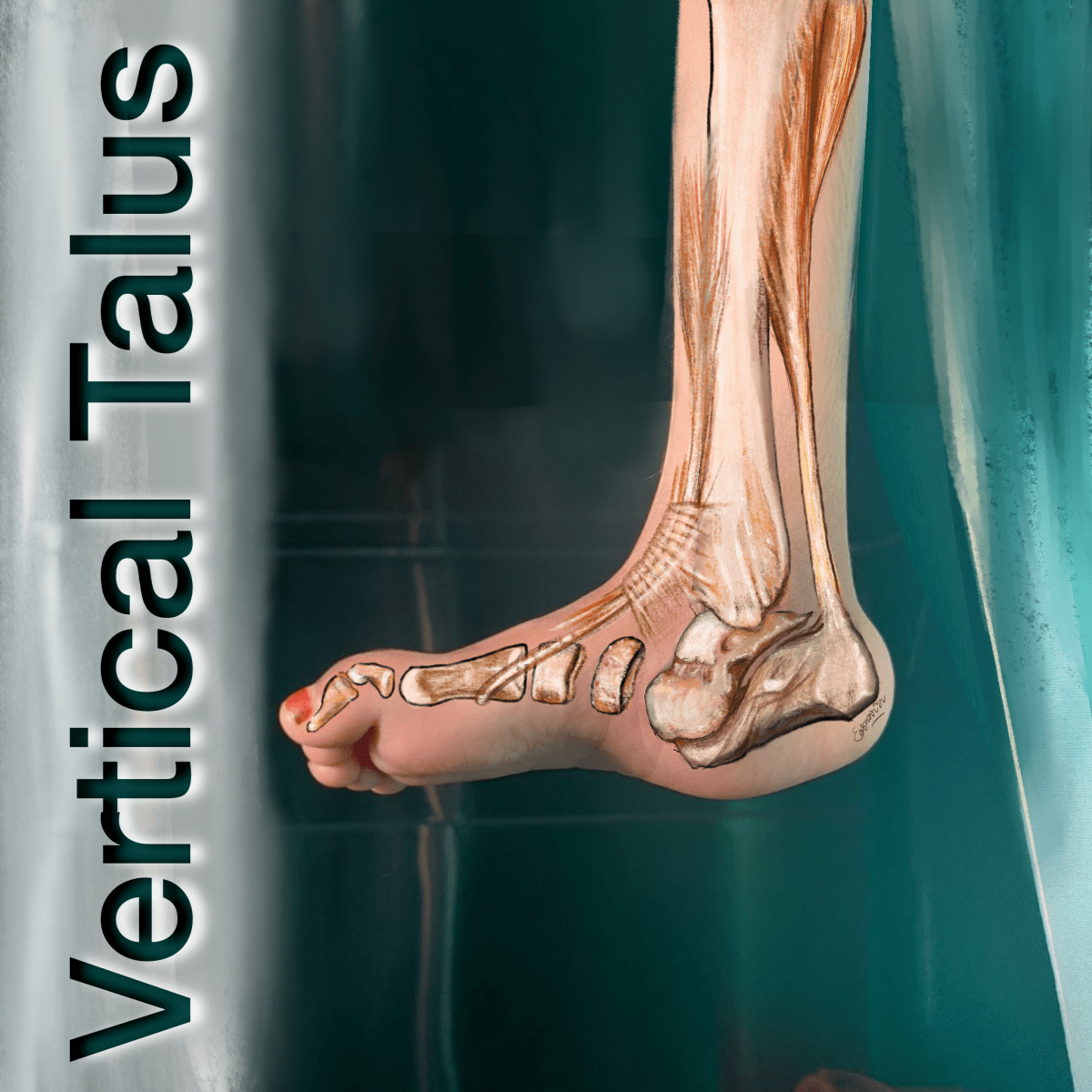
To help visualize this condition and bring attention to paediatric deformities, I created the artwork above as part of the ArztForACause project. This initiative uses visual art to raise awareness about orthopaedic conditions in children and helps fund essential care for those who need it most. Art has a unique way of making complex medical conditions easier to understand, bridging the gap between clinical diagnoses and human empathy.

What Exactly is Vertical Talus?

Congenital Vertical Talus (CVT) is a rare birth defect that affects the alignment of the bones in a baby’s foot.

In a typical foot, the talus (the ankle bone) points forward toward the toes, connecting the lower leg to the rest of the foot. In a child with CVT, the talus points downward toward the ground. This misalignment forces the bones in the middle of the foot to shift upward.

Because of this bone arrangement, the arch of the foot drops, and the sole becomes rounded outward. This creates a convex shape, which is why the condition is commonly called “rocker bottom foot,” as it mimics the curved bottom of a rocking chair.
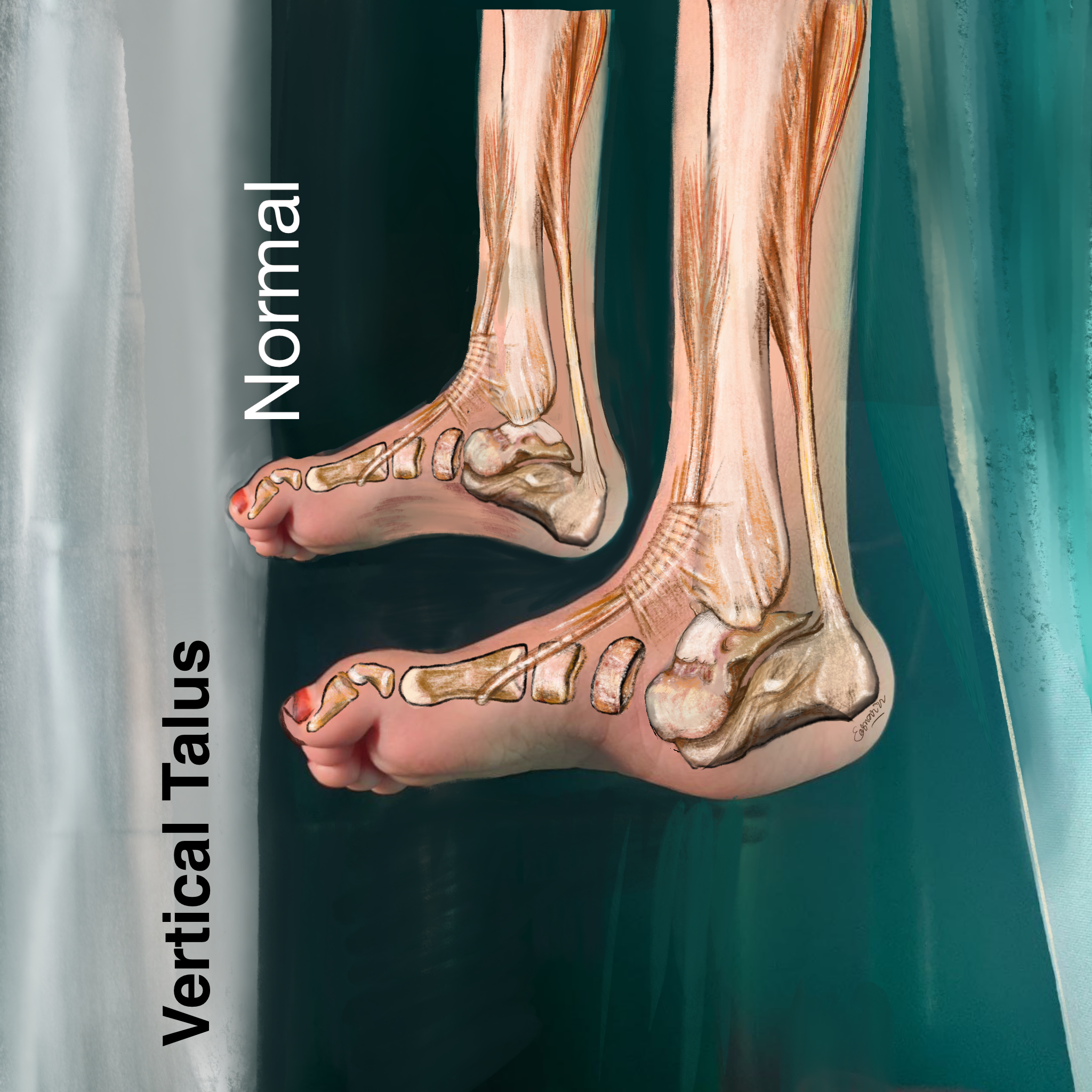
 Vertical talus is usually identified at birth or shortly after. The key physical signs include:

A Convex Sole: The bottom of the foot rounds outward instead of having an inward arch.

 Upward Pointing Toes: The forefoot and toes point up and outward.

 A Rigid Foot: Unlike some other newborn foot conditions which are flexible, a foot with vertical talus is stiff. You cannot easily gently bend the foot into a normal, flat position.

 A Tight Achilles Tendon: The heel is pulled up tightly and does not touch the ground easily.

While the condition is not painful for a baby, it must be treated. If left uncorrected, a child will eventually walk on the inside ankle bone instead of the sole of their foot, leading to severe pain, calluses, and major difficulties with mobility and wearing standard shoes.

How is it Treated?

The goal of treatment is to realign the bones so your child can have a functional, pain-free, and stable foot.

In the past, treatment required extensive, invasive surgery. Today, the standard of care is much gentler and relies on minimally invasive techniques:

1. Serial Casting (The Dobbs Method): Treatment usually begins in the first few weeks of life. A paediatric orthopaedic surgeon will gently stretch the baby’s foot and apply a plaster cast. Every week, the cast is removed, the foot is stretched a little closer to the correct position, and a new cast is applied. This usually takes about 4 to 6 weeks.

2. Minimally Invasive Surgery: Once the casting has properly stretched the soft tissues, a minor surgical procedure is usually required. The surgeon will make a tiny incision to insert a small pin that holds the bones in the correct alignment. Often, a small release of the Achilles tendon (tenotomy) is also done to allow the heel to drop down.

3. Bracing: After the pin is removed (usually after a few weeks), the child will need to wear a special brace or special shoes connected by a bar. Bracing is crucial to ensure the foot does not shift back into the rocker-bottom shape as the child grows.

Moving Forward

A diagnosis of vertical talus is just a starting point. With a dedicated treatment plan and consistent bracing, the long-term outlook is excellent.

Dr. Easwar T. Ramani

Senior Consultant & Head of Paediatric Orthopaedics and Scoliosis

Baby Memorial Hospital
Categories
Orthopedics Pediatric Orthopedics

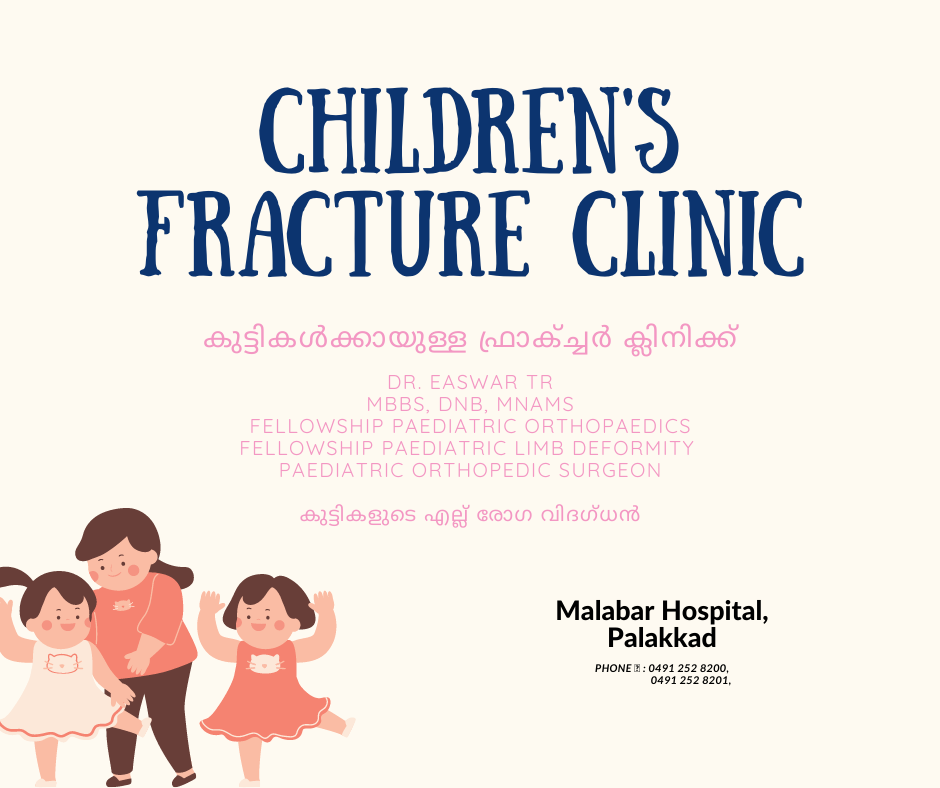
Children’s Fracture Clinic


My Clinic restart has been delayed due to Covid situation and we have noted that children with fractures are having difficulty getting consult for emergencies.

A speciality Fracture clinic for Children run by Dr. Easwar TR is operating at Malabar Hospital Palakkad.

Treatment is provided for all types of children’s bone problems, sports injuries and fractures. The service is available around the clock in association with Orthopedic doctors at Malabar Hospital, Palakkad.

For Emergencies and Appointments please contact Malabar Hospital for appointments.

Phone 📞 :  0491 252 8200,
                    0491 252 8201,
                    +91 99952 33666

Children’s fracture clinic for bone and joint problems, fractures, sports injuries at Malabar Hospital Palakkad Kerala by Children’s Bone Specialist Dr Easwar TR

Categories
Cerebral-palsy Deformity Correction and Limb lengthening Orthopedics Pediatric Orthopedics Spine & Scoliosis Surgery

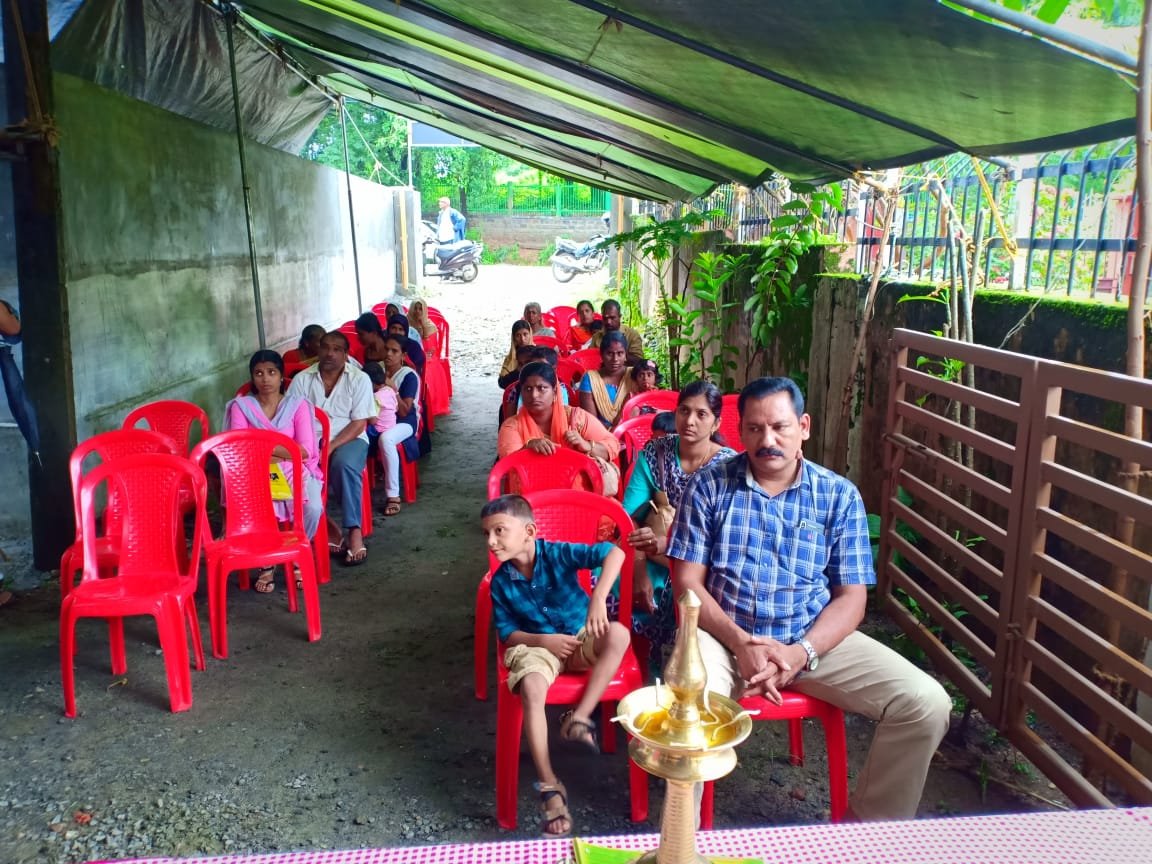
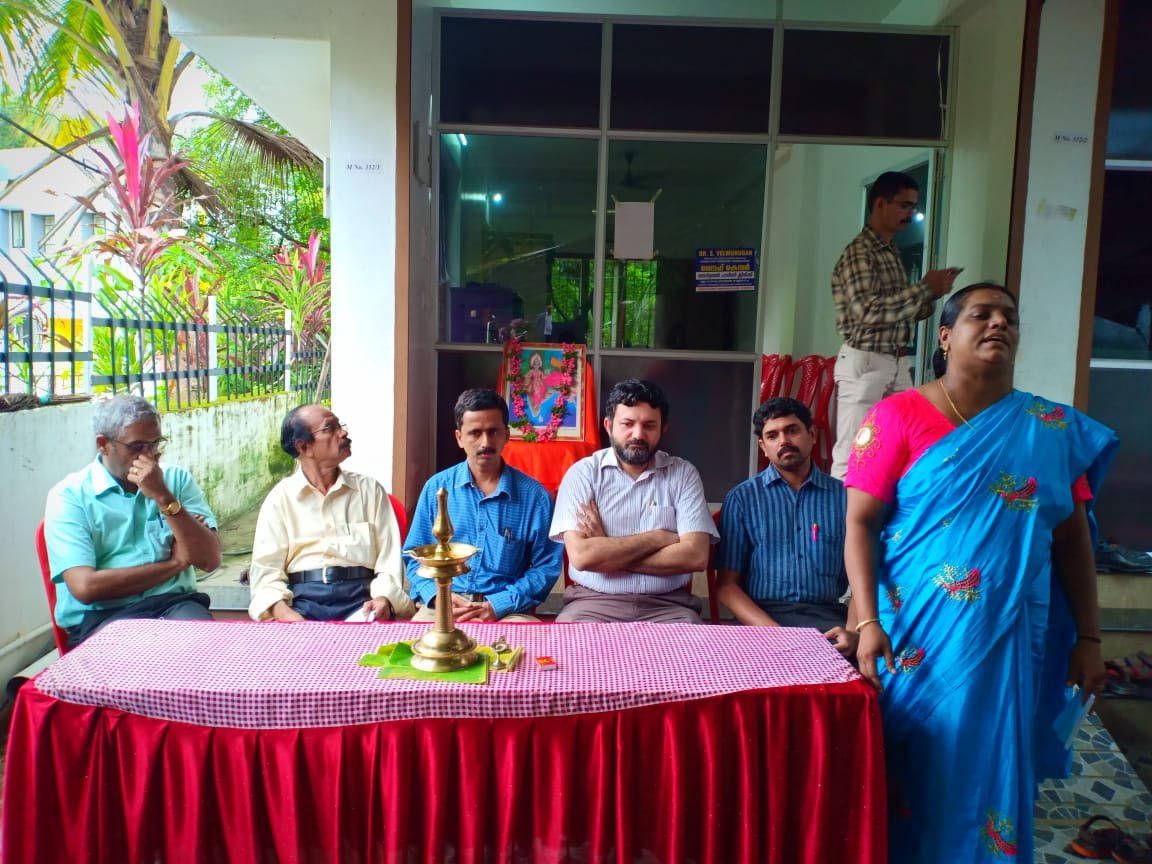
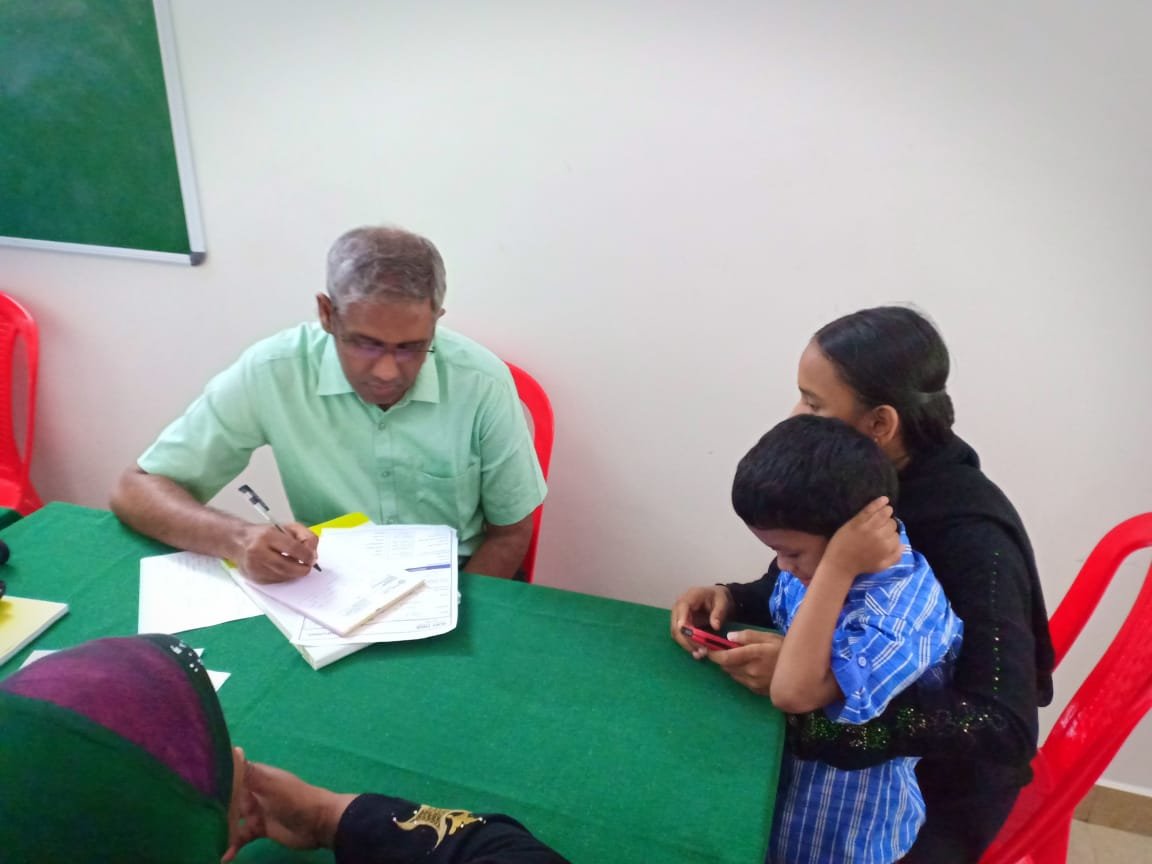
Free Medical Camp for Paediatric Orthopaedic Deformities, Cerebral Palsy and Neurological disorders at Palakkad, Kerala


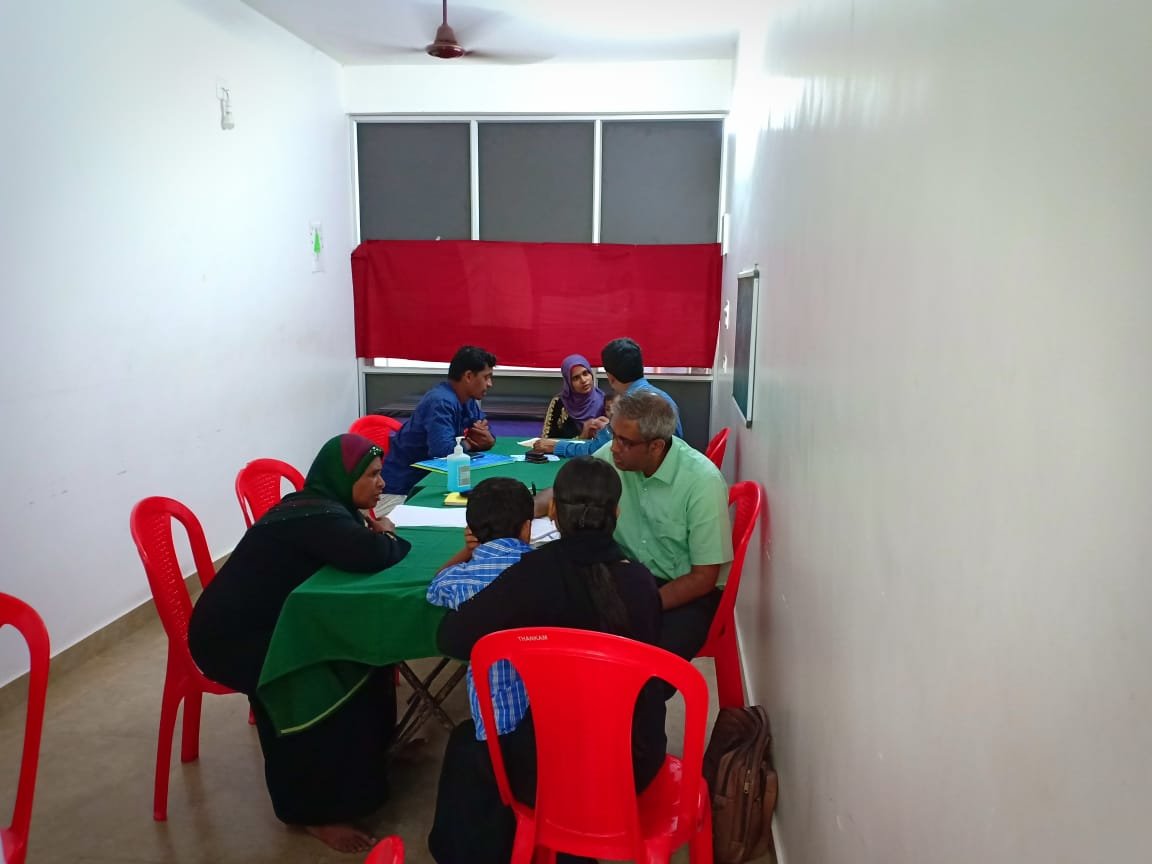
So happy that we’ve had a very successful #PediatricOrthopedic and #CerebralPalsy #Medical camp today at #Palakkad, #Kerala. This is one of a kind medical camp, parent education drive and cross speciality clinic that we’ve been hosting at Palakkad since 2014.

This is the 6th year of my setting up Paediatric Orthopaedic clinic here at Palakkad Cooperative Hospital, Kerala and patient awareness of the problem of Cerebral Palsy, ClubFoot has increased tremendously over these years.

Sevabharathi volunteers were as usual wonderful and committed. None of this would have been possible if not for the commitment of Biju Bhasker and his team of LifeCare Physiotherapy Centre at Palakkad, Kerala. He has been the main organising force behind this over the years.

Today we had a Pediatric Neurologist Dr. Velmurugan and Pediatric Gastroenterologist Dr. Jaganandan join us for the camp. Both specialists are from Coimbatore. It was so nice of them to take time out and join our efforts.

With God’s grace we’ve been able to consistently raise the standard and tune the camp to make it more cross specialist so that patients can consult multiple specialists in the same visit. We try with every camp to make it better. I was discussing with Udayasankar CN of Sevabharathi, Palakkad that next camp should be much better in many ways.

I could identify some children who will require surgical procedure, plaster casts, Botox injections which could be funded, if approved, via the planned free surgery program at Palakkad for the #Bone and #Joint Day of #IndianOrthopaedicAssociation in the first week of August.

Attaching below some pictures of the event.

Categories
Arthroscopy, Knee Surgery Orthopedics Pediatric Orthopedics Sports Injury

Pediatric Sports Injuries in #India – the #Palakkad ,#Kerala Story


The small town of #Palakkad #Kerala state may be one of the biggest contributors to #Indian #Athletics. It’s a town predominantly know for its large expanse of rice fields and farming community. In the past athletes like Valsamma, PT Usha have trained here and succeeded. Recently PU Chitra bought laurels to this small town. Many children here look upon these heroes as they train daily.

Recently Palakkad got it’s own first synthetic athletic track and provided a field where young athletes could be groomed better. Several promising athletes are in training in this otherwise rustic, tucked away place. Athletes who’ve successfully represented India at the Asian and Olympic level belong here and have trained here.

Most of these athletes use what is locally available in terms of facilities, gears, coaches to train themselves. The fact that until recently they didn’t even have a change room where they could change themselves into or out of the sports gear after coming from their schools or colleges speaks volumes of the lack of a system in place. Many are from very humble backgrounds. Driven by the need to succeed, as it’s very often the only glimmer of hope from poverty.

Things are changing though. Changing rapidly. As I train and interact with these children while setting up my Sports Injury Clinic here, I realise a renewed vigour in children, coaches and parents where they are unafraid to take up their needs with local authorities and get it done.

With more training facilities promised and the track and field itself being in the process of a long overdue upkeep and upgrade as I type this, it is certain that with children in #India taking to #Sports early and training intensively , #Pediatric #SportsInjuries will become more common. Though there is difference in the pattern of these injuries from those in the west, nonetheless, these required specialised care.

Just in last week I have examined and treated children with old hamstring tears who’ve not rehabilitated well, old ankle injuries with pain, back pain due to stress and renal calculi as a result of training in summer heat with very poor hydration. None of these children received adequate on field or off field medical attention. All of them were not aware of the type of injury they are having and its potential for causing premature career collapse.

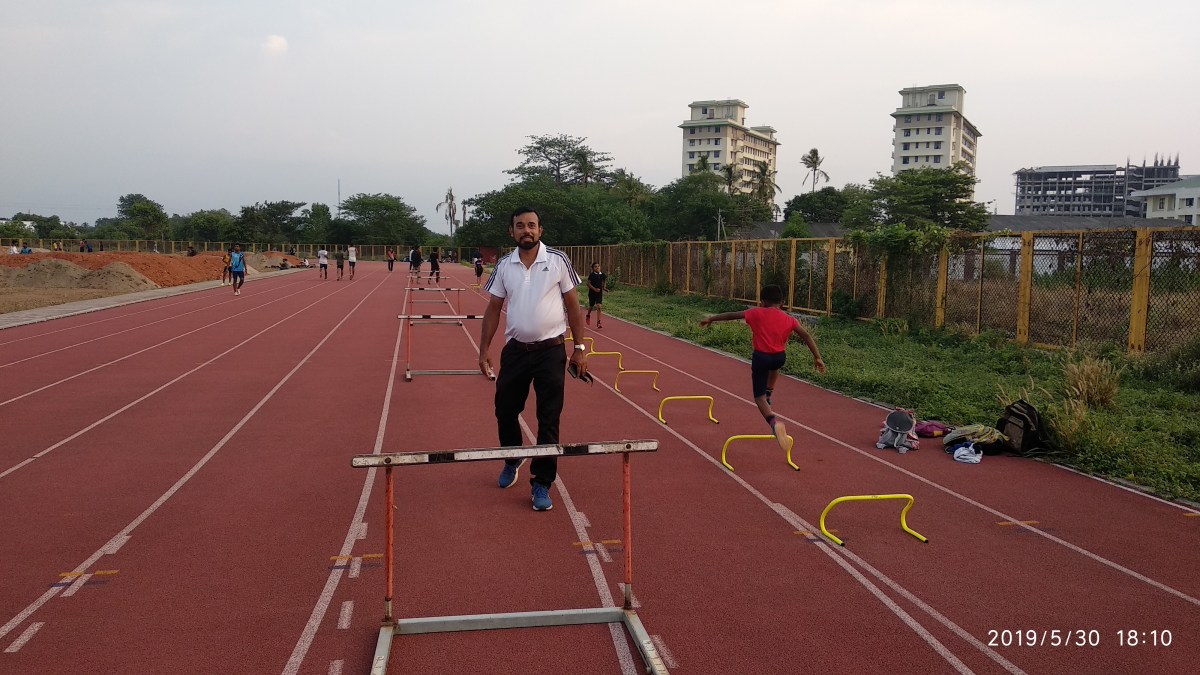
I have realised that along with adequate sports injury prevention counselling, these children require counselling for sports nutrition and diet tailored to the sports they are participating. It is sad that while these could be given, not many maybe able to afford such a nutrition on daily basis. Mr. Haridas the coach of the Olympic Athletic Club here at Palakkad is so kind. Everyday he brings these kids mangoes from his farm. It’s little things like these that bind the coaches, parents and kids together and goes beyond simple trainer-trainee contract. The fact that he does this training free of charge is really something laudable.

This is the story of sports in India….

We need better facilities, coaching , gears but most importantly these children need better nutrition. They also need better awareness of injuries as they push themselves to greater heights.

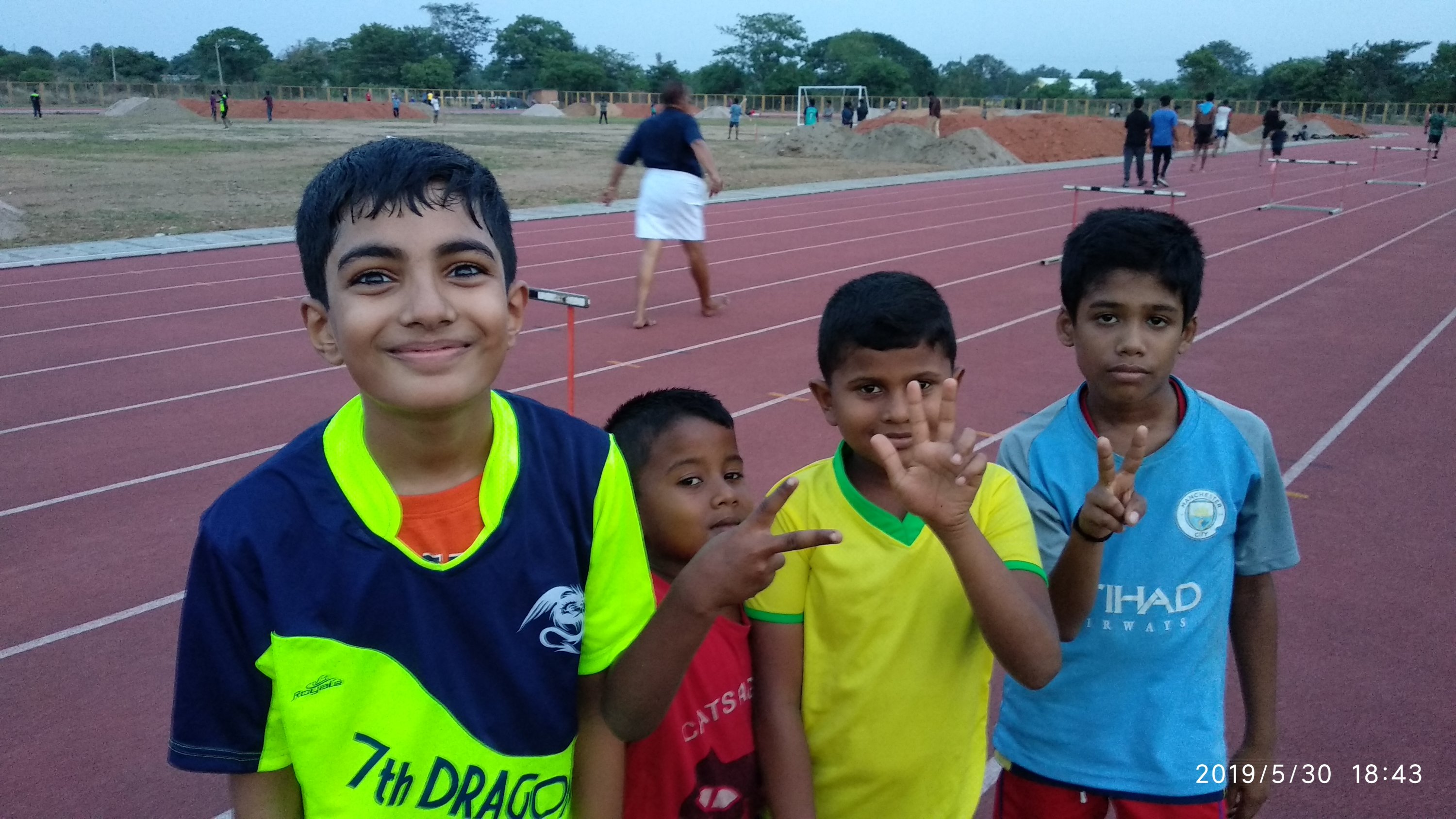
Enthused Children,  Happy Children at Sports Track and Field
Enthused Children, Happy Children at Sports Track and Field

Mr. Haridas the large hearted coach or the Olympic Athletic Club, Palakkad

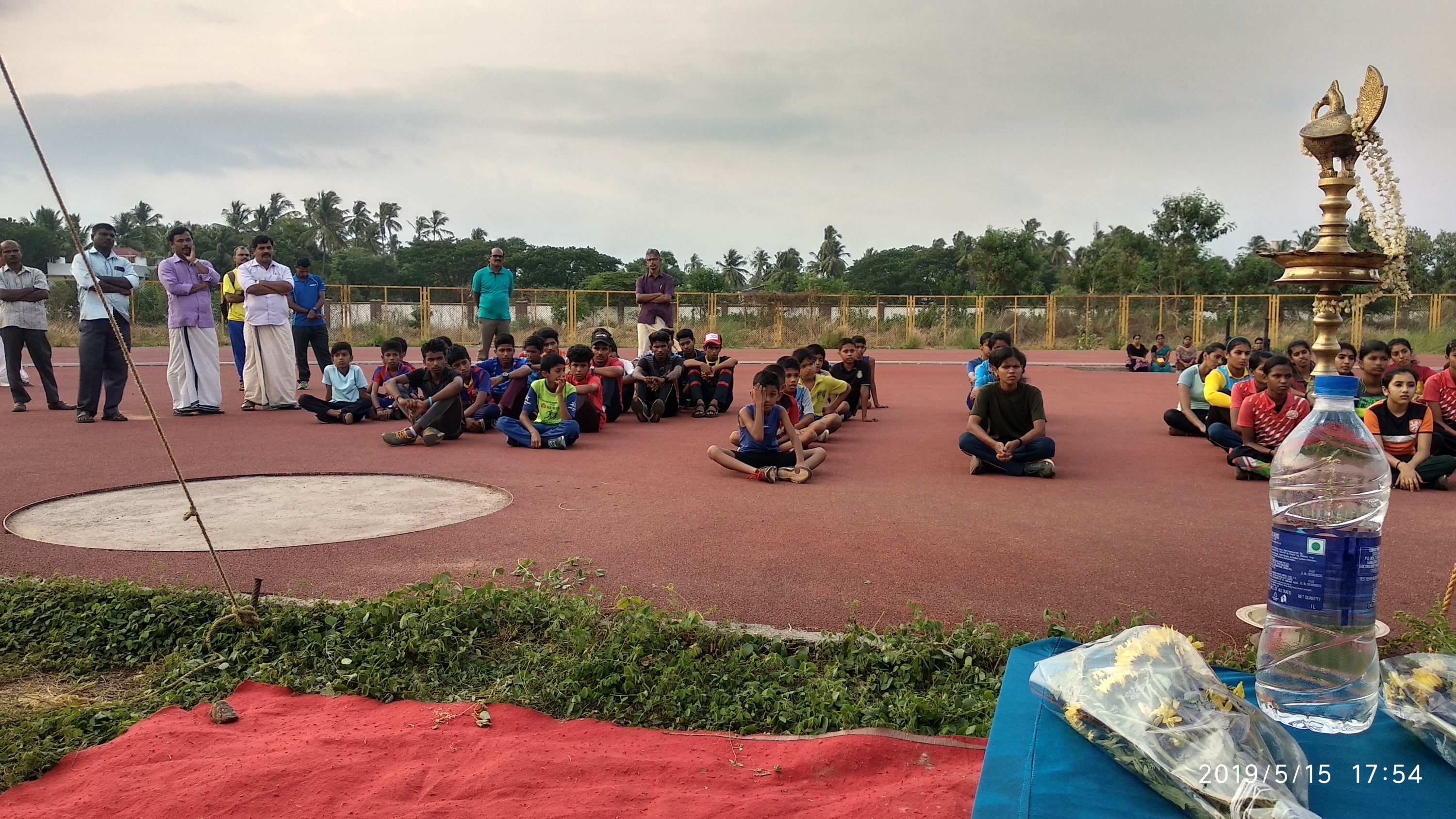
Pediatric Sports Injury ...A large audience , but is anybody listening ?
Pediatric Sports Injury …A large audience , but is anybody listening ?

#SportsInjury

https://t.co/DNIjTfHsp1