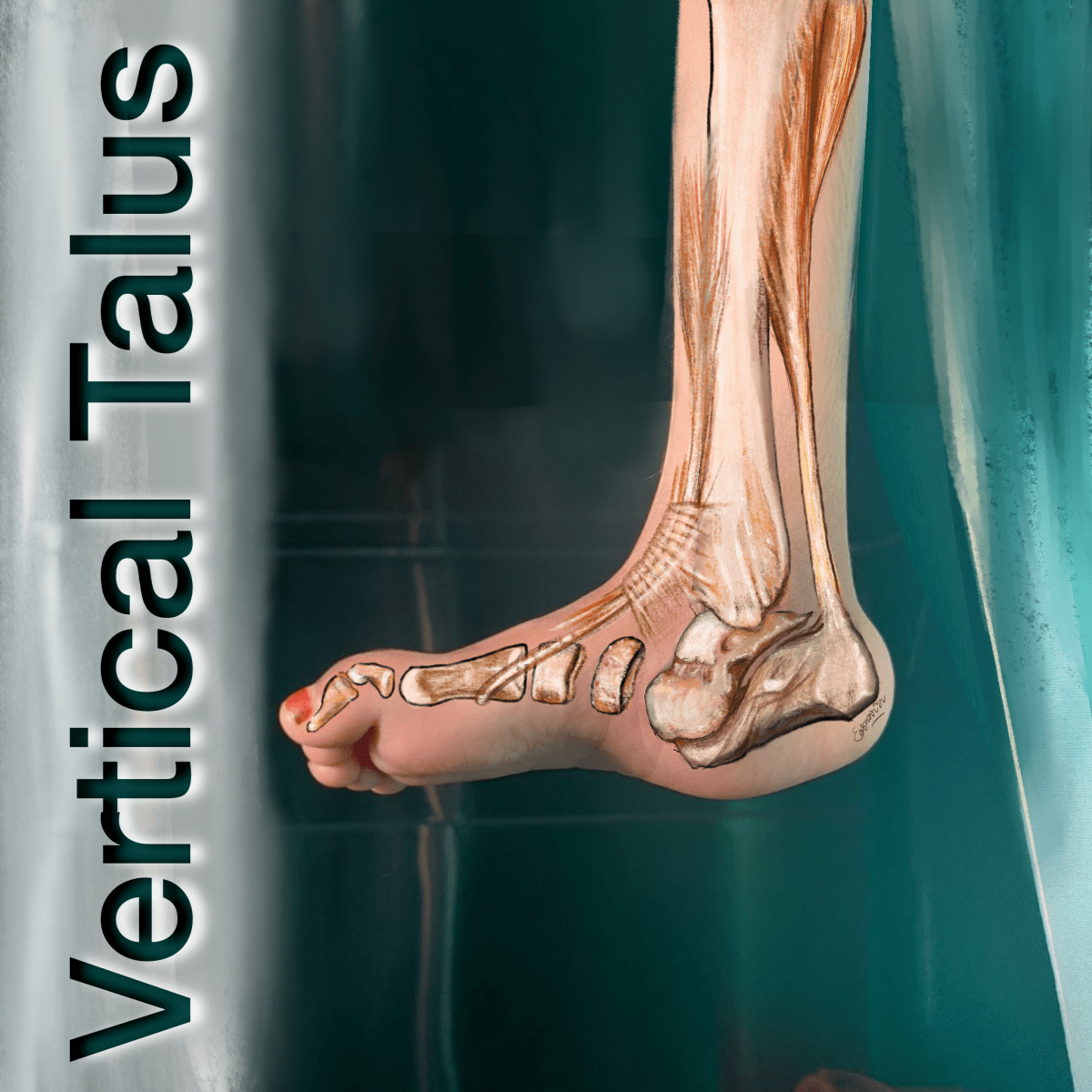
What is it ?
Hearing that your newborn has a foot deformity can be overwhelming for any parent. If your child has been diagnosed with Congenital Vertical Talus—often referred to as “rocker bottom foot”—it is completely normal to feel anxious about what it means for their future.
The most important thing to know is that this condition is highly treatable. With early and proper intervention, children with vertical talus go on to walk, run, and play just like their peers.
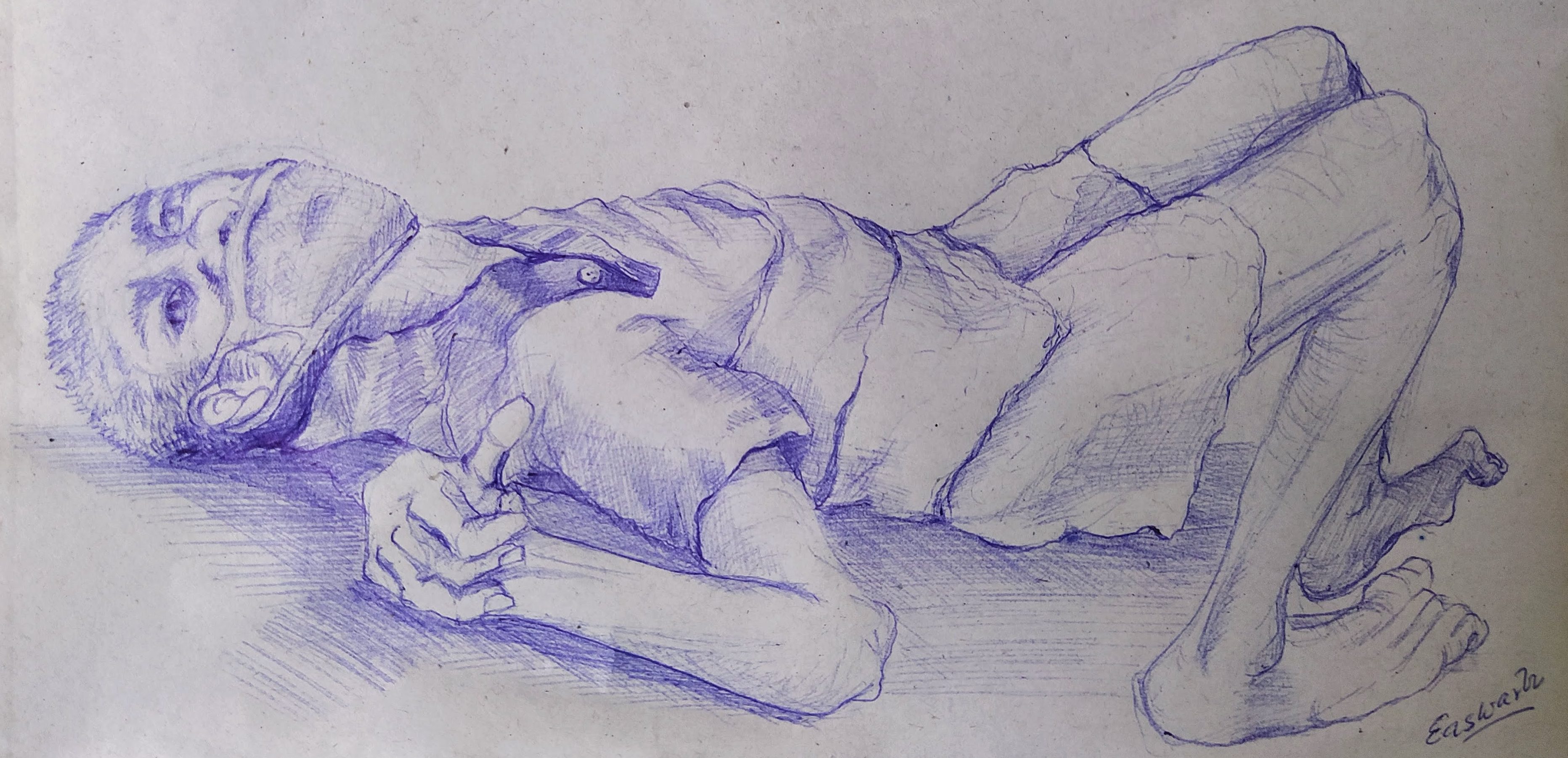
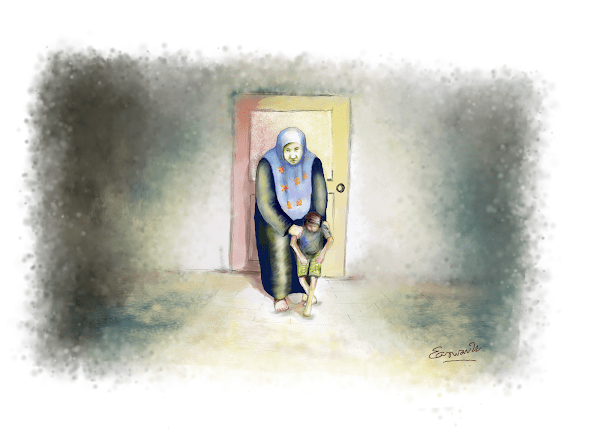
Art for Awareness: The ArztForACause Initiative
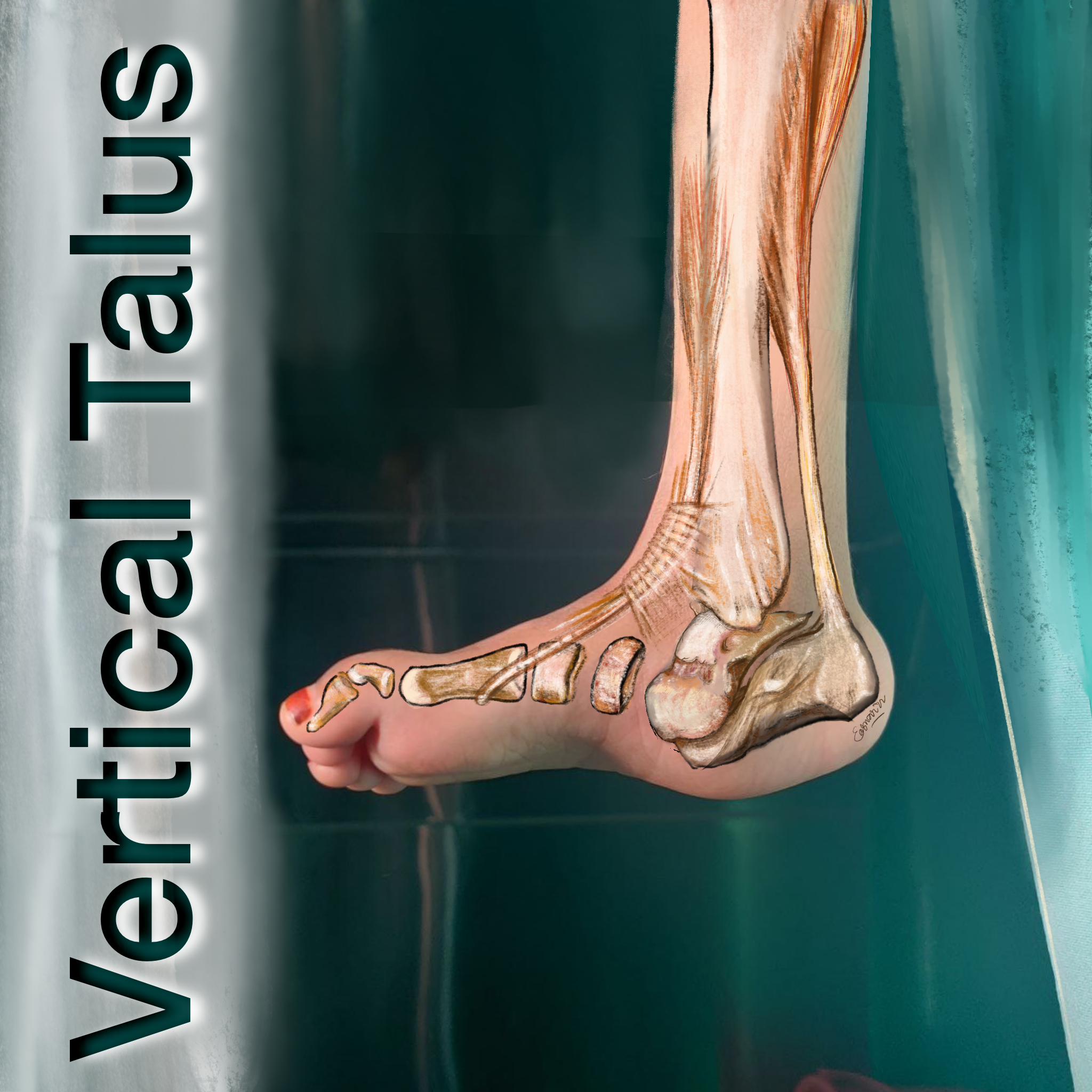
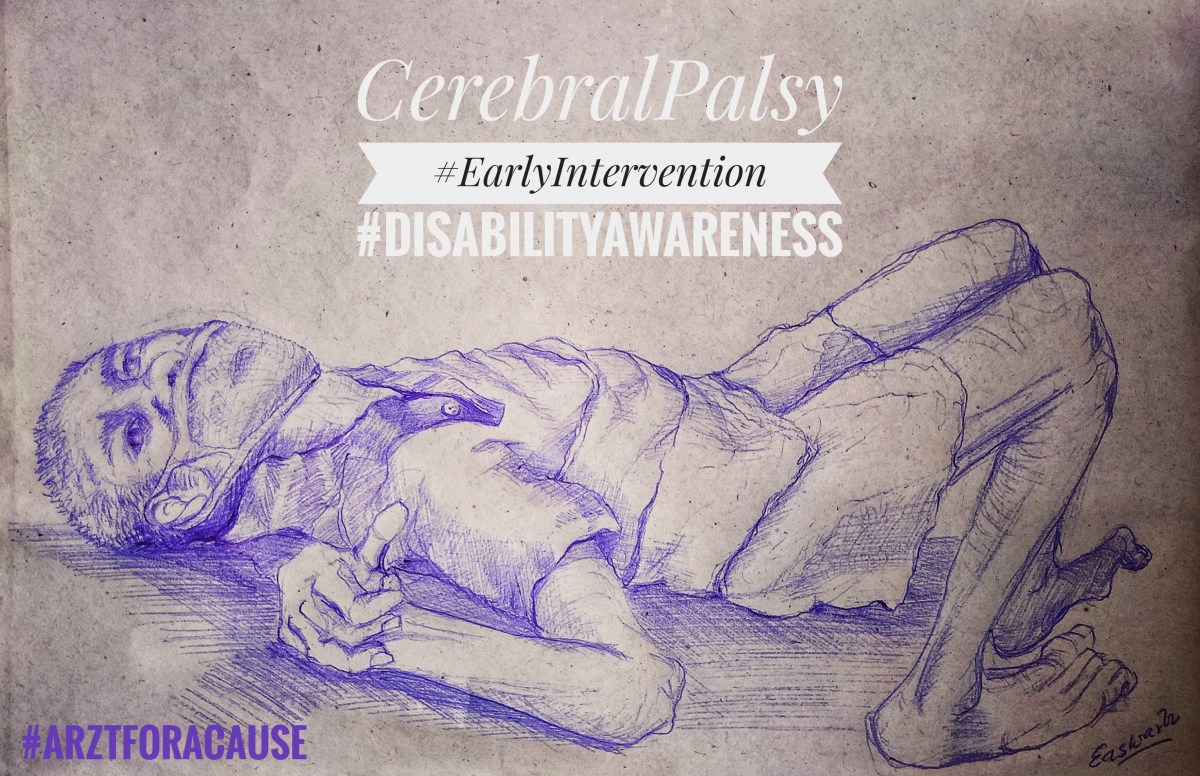
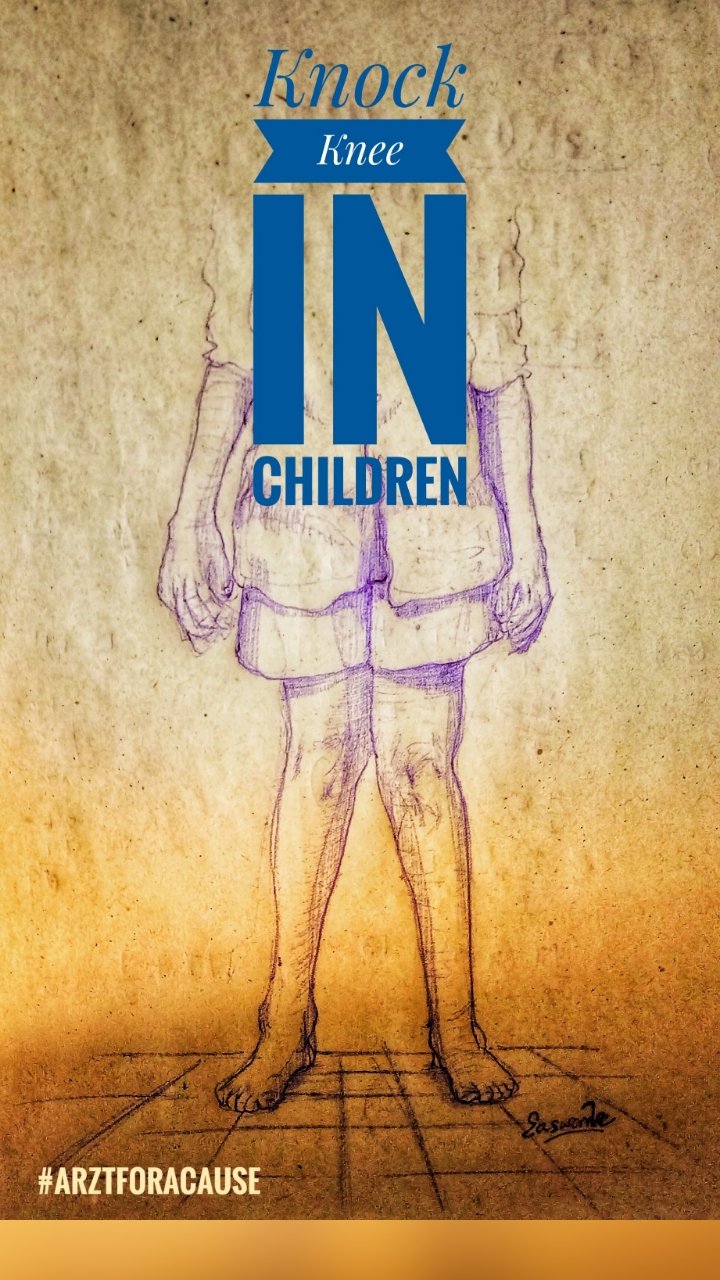
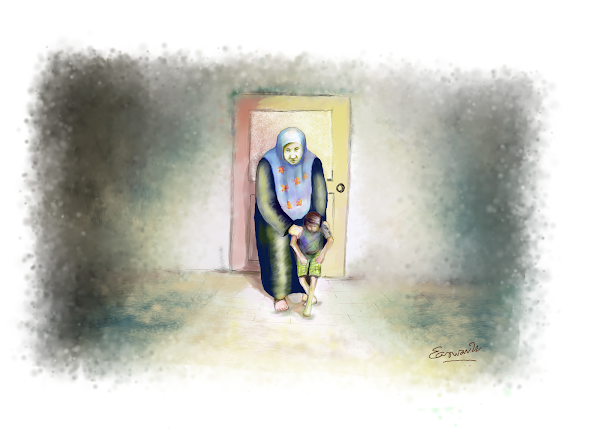
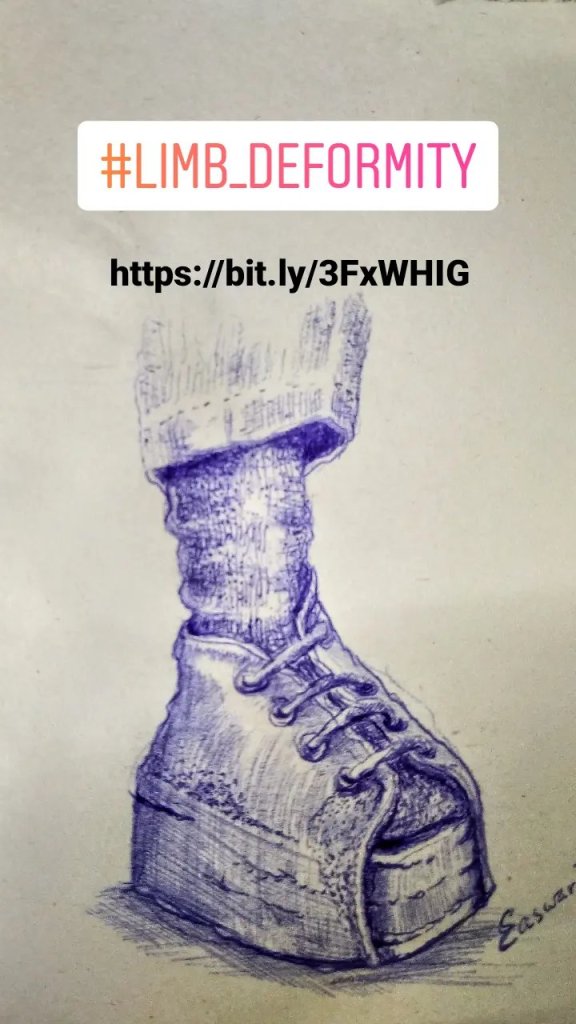
To help visualize this condition and bring attention to paediatric deformities, I created the artwork above as part of the ArztForACause project. This initiative uses visual art to raise awareness about orthopaedic conditions in children and helps fund essential care for those who need it most. Art has a unique way of making complex medical conditions easier to understand, bridging the gap between clinical diagnoses and human empathy.
What Exactly is Vertical Talus?
Congenital Vertical Talus (CVT) is a rare birth defect that affects the alignment of the bones in a baby’s foot.
In a typical foot, the talus (the ankle bone) points forward toward the toes, connecting the lower leg to the rest of the foot. In a child with CVT, the talus points downward toward the ground. This misalignment forces the bones in the middle of the foot to shift upward.
Because of this bone arrangement, the arch of the foot drops, and the sole becomes rounded outward. This creates a convex shape, which is why the condition is commonly called “rocker bottom foot,” as it mimics the curved bottom of a rocking chair.
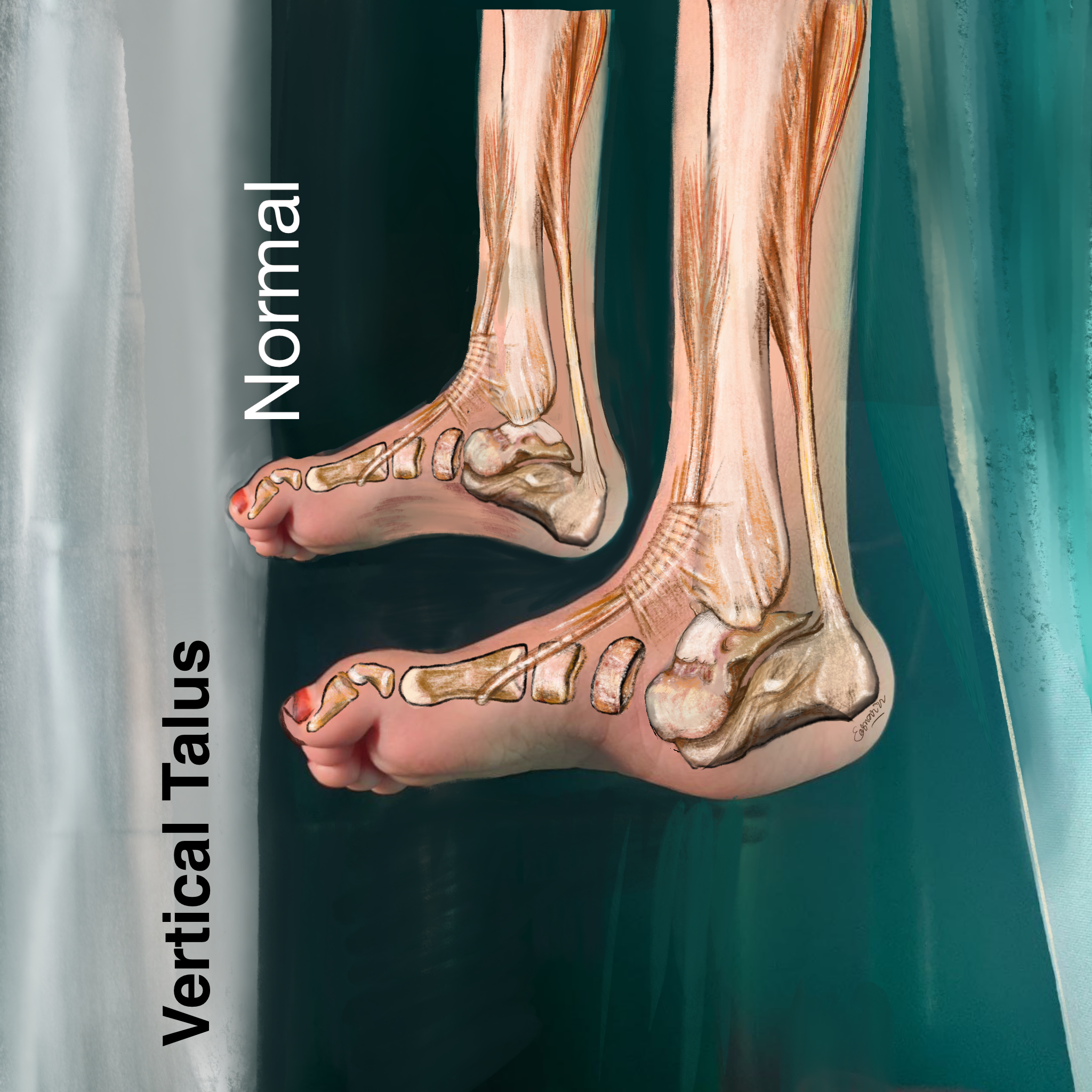
Vertical talus is usually identified at birth or shortly after. The key physical signs include:
A Convex Sole: The bottom of the foot rounds outward instead of having an inward arch.
Upward Pointing Toes: The forefoot and toes point up and outward.
A Rigid Foot: Unlike some other newborn foot conditions which are flexible, a foot with vertical talus is stiff. You cannot easily gently bend the foot into a normal, flat position.
A Tight Achilles Tendon: The heel is pulled up tightly and does not touch the ground easily.
While the condition is not painful for a baby, it must be treated. If left uncorrected, a child will eventually walk on the inside ankle bone instead of the sole of their foot, leading to severe pain, calluses, and major difficulties with mobility and wearing standard shoes.
How is it Treated?
The goal of treatment is to realign the bones so your child can have a functional, pain-free, and stable foot.
In the past, treatment required extensive, invasive surgery. Today, the standard of care is much gentler and relies on minimally invasive techniques:
1. Serial Casting (The Dobbs Method): Treatment usually begins in the first few weeks of life. A paediatric orthopaedic surgeon will gently stretch the baby’s foot and apply a plaster cast. Every week, the cast is removed, the foot is stretched a little closer to the correct position, and a new cast is applied. This usually takes about 4 to 6 weeks.
2. Minimally Invasive Surgery: Once the casting has properly stretched the soft tissues, a minor surgical procedure is usually required. The surgeon will make a tiny incision to insert a small pin that holds the bones in the correct alignment. Often, a small release of the Achilles tendon (tenotomy) is also done to allow the heel to drop down.
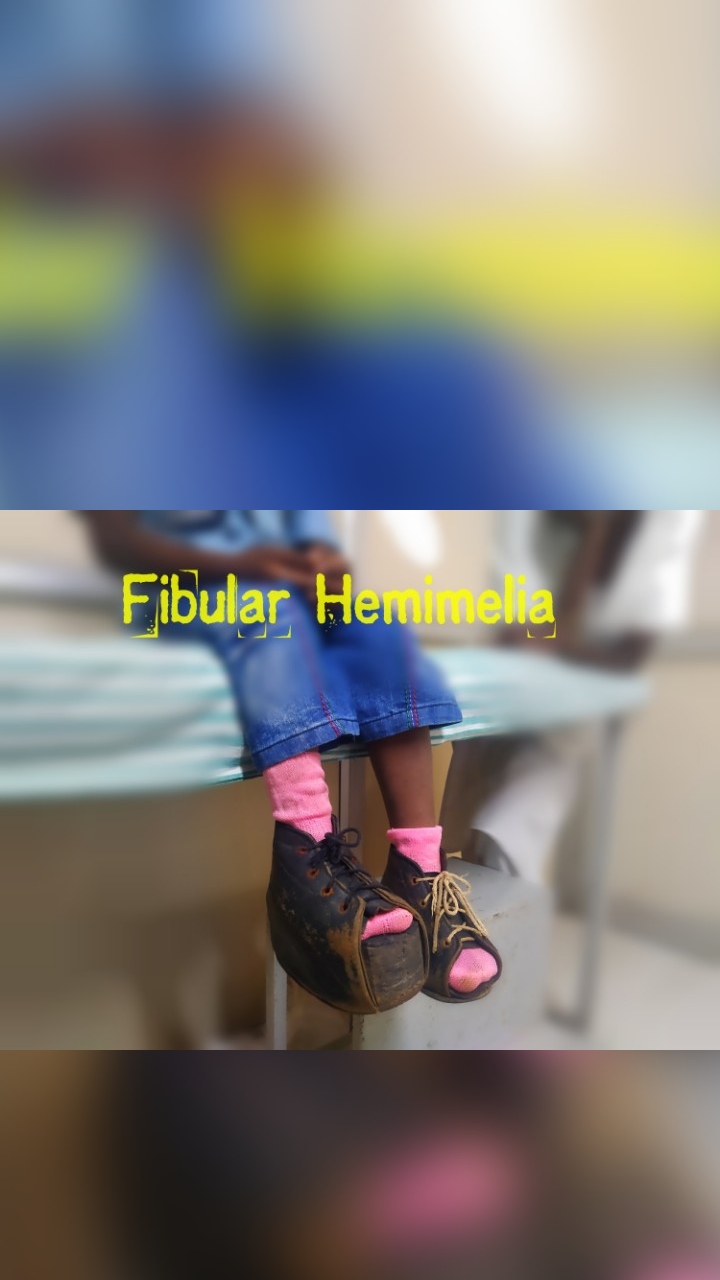
3. Bracing: After the pin is removed (usually after a few weeks), the child will need to wear a special brace or special shoes connected by a bar. Bracing is crucial to ensure the foot does not shift back into the rocker-bottom shape as the child grows.
Moving Forward
A diagnosis of vertical talus is just a starting point. With a dedicated treatment plan and consistent bracing, the long-term outlook is excellent.
Dr. Easwar T. Ramani
Senior Consultant & Head of Paediatric Orthopaedics and Scoliosis
Baby Memorial Hospital














 Dr. Easwar T.R